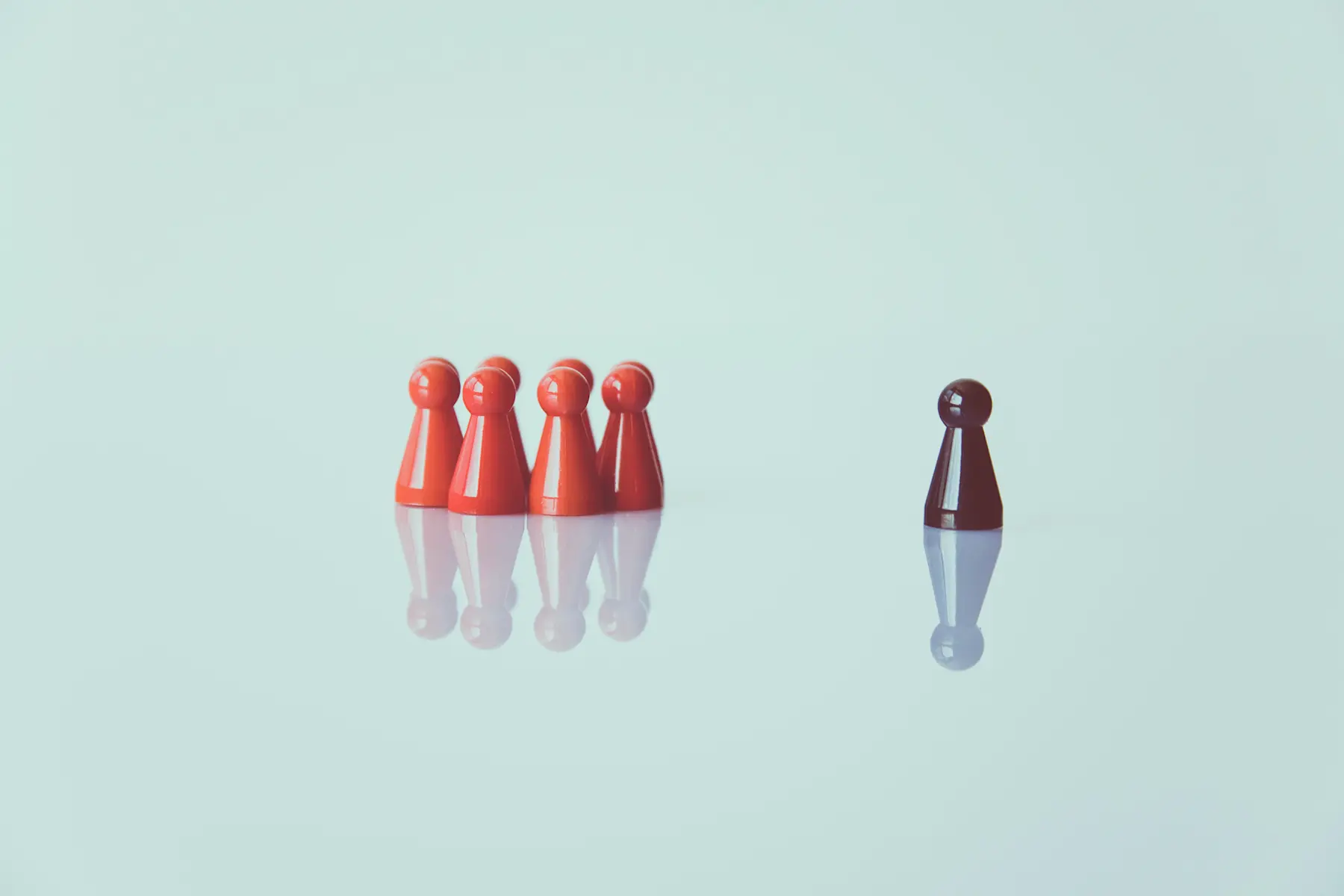
The complexity of our brains means that we make decisions based on information we might not even be aware of. Our backgrounds, life experiences, social stereotypes and cultural upbringings all have an impact on the unconscious decisions our brains make. These factors drive our attitude towards others and we unconsciously make decisions based on our attitudes towards characteristics such as race, age, ethnicity, and gender.
When discussing unconscious bias, people can often feel uncomfortable at the implication that they make decisions based on another person’s ethnicity or race. However, it is important that we have these discussions so that we can create an awareness of our biases and confront them in the workplace. Research has consistently demonstrated that unconscious bias has a profound effect on recruitment, promotions, and other selective decisions. This impact can damage the potential for an inclusive and diverse workplace.
Different Types of Bias
Hundreds of different kinds of bias exist. Below are a few examples of the various biases that occur in the workplace:
- Gender bias – preference towards one gender over another which often comes from deep-rooted beliefs about gender roles and stereotypes.
- Affinity bias – an unconscious preference towards people who share qualities or viewpoints with us or with someone close to us.
- Halo effect – viewing one particularly strong positive trait about someone in a way that overpowers our judgement of them and can skew our ability to see any of their negative traits.
- Horns Effect – focussing on one badly perceived trait that can cloud judgement of the positive ones.
- Beauty bias – a social behaviour that often adversely affects women in the workplace. For example, attractive women being viewed as less competent than their male counterparts and tall people being treated like leaders from their peers from a young age.
- Confirmation bias – selectively seeking information to back up an opinion that is already held without looking at the bigger picture. Sourced from: Allegis Group
Accepting that hidden biases exist and opening up a dialogue surrounding bias is crucial for driving real change. The first step in combatting unconscious bias is to grow our awareness so that we can notice it, particularly in senior and leadership roles that have the power to increase diversity and produce a more inclusive working environment.